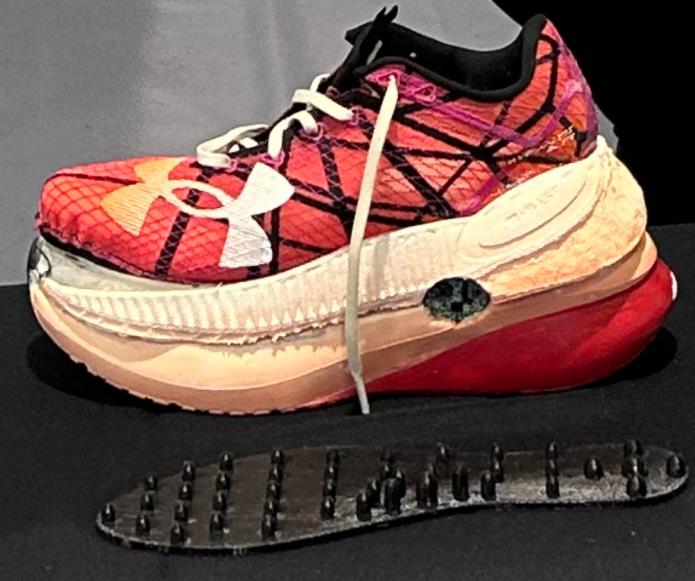
Moving recovery into everyday footwear
Interviews with athletes and coaches showed that recovery mattered as much as training, but common tools such as massage guns and compression boots were used only while resting. Athletes already changed shoes for practices and races, yet had no recovery-focused footwear for the time spent walking to class or relaxing afterward.
The team pivoted from performance-tracking concepts after recognizing that collecting reliable biometric data would exceed the project timeline. Recover+ instead pursued a tangible mechanical challenge: deliver noticeable, targeted massage to the arch and plantar fascia in a shoe that could be worn while sitting, standing, or walking.
Converting compact motor motion into targeted massage
The final active system placed a compact DC motor, rechargeable battery, PCB, and horizontal piston inside a custom 3D-printed housing under the heel and midfoot. The piston translated motor motion into a localized back-and-forth massage at the arch, while a rigid end cap, guide rail, spacer, and housing shell controlled alignment and transferred load into the surrounding foam.
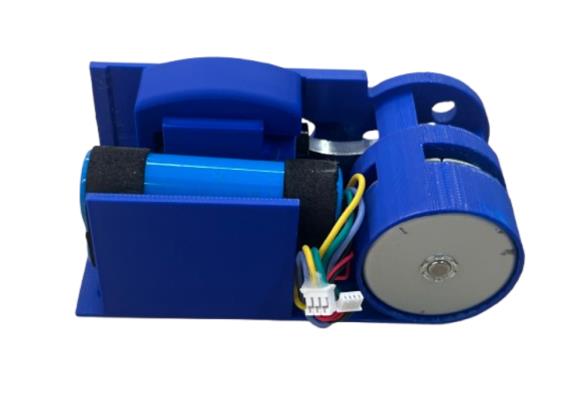
Package: motor, battery, PCB, and moving components within the shoe planform.
Guide: constrain piston motion and prevent the end cap from shifting under load.
Support: route body weight through the housing and foam instead of directly through the motor.
Control: use an outsole button to power the mechanism and select massage speed.
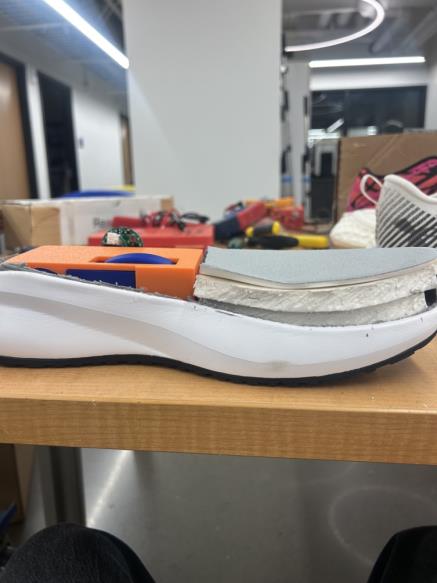
Each mechanism answered a different engineering question
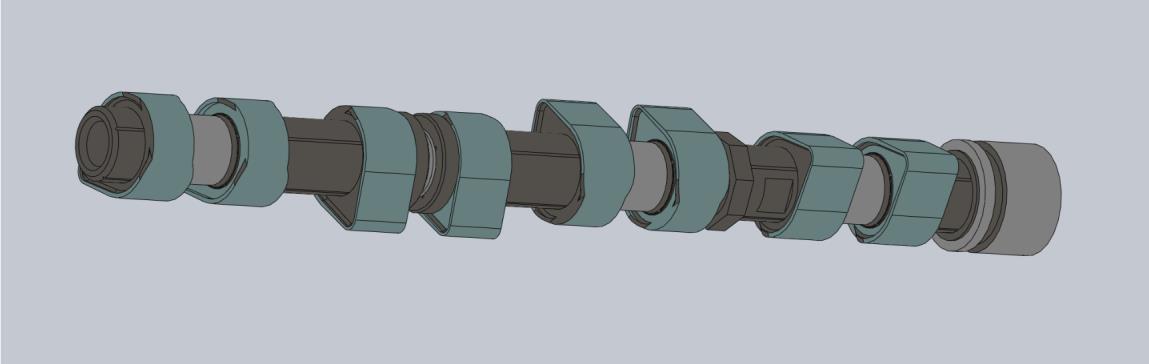
Camshaft exploration
A motor-driven camshaft showed that one motor could actuate multiple massage nodes. Scaling the mechanism to foot length exposed stack-height, support, deflection, and tolerance constraints.
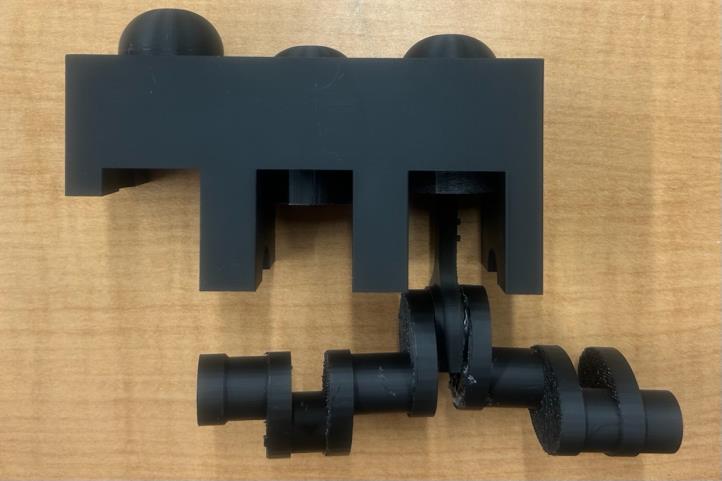
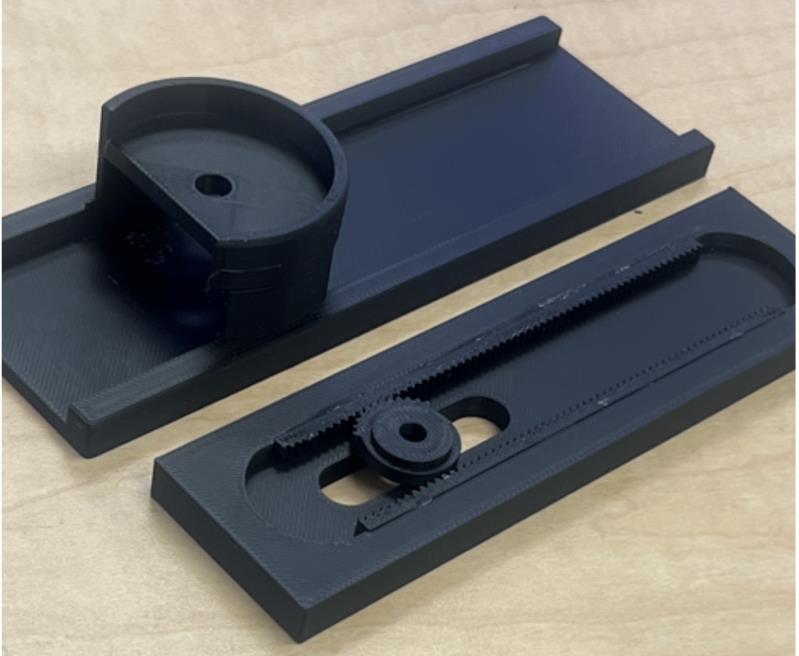
Rack-and-pinion translation
A printed rack-and-pinion assembly investigated controlled linear movement and confirmed motor fit. Testing suggested it was better suited to rolling massage than the higher-frequency stimulation selected for Recover+.
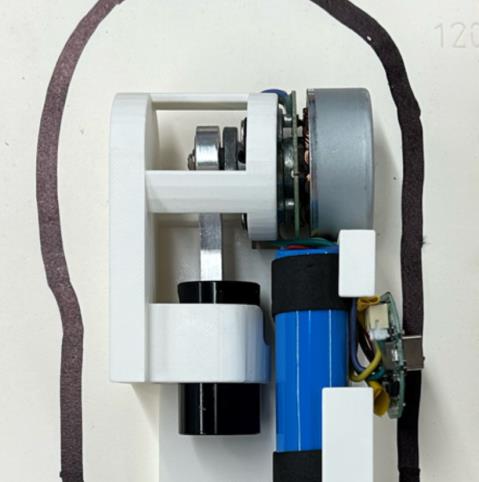
Horizontal piston V1
The first integrated piston housing proved the motor and speed controls worked, but foot loading could stall the motor and deform the TPU end cap. This led to a rigid PLA cap, set-screw retention, reduced side clearances, and a protected motor.
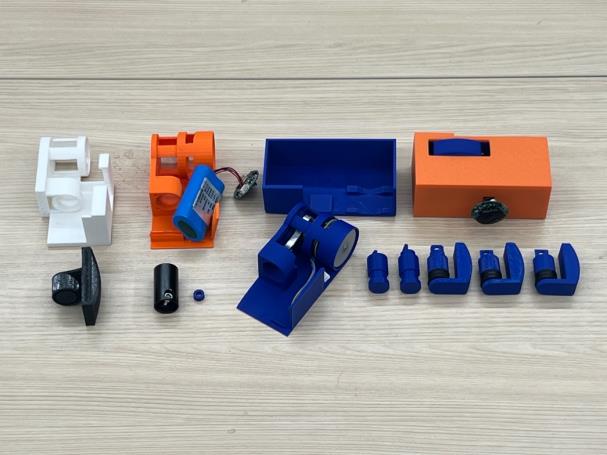
Condensed piston V2
The second version added a guide rail, spacer, rigid end cap, and structural shell. It supported body weight without visible damage and delivered noticeable massage, establishing the core mechanical concept used in the final shoe.
Mechanical output only mattered if the shoe remained comfortable
The active mechanism was paired with a passive TPU insert whose dome-shaped nodes distributed pressure across the heel, forefoot, and arch. Six foam stack-ups and several insert geometries were tested to balance support, energy return, pressure transmission, and comfort.
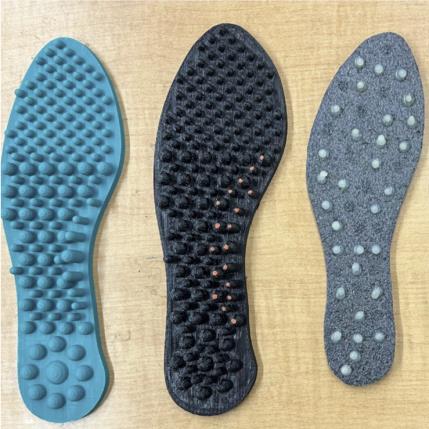
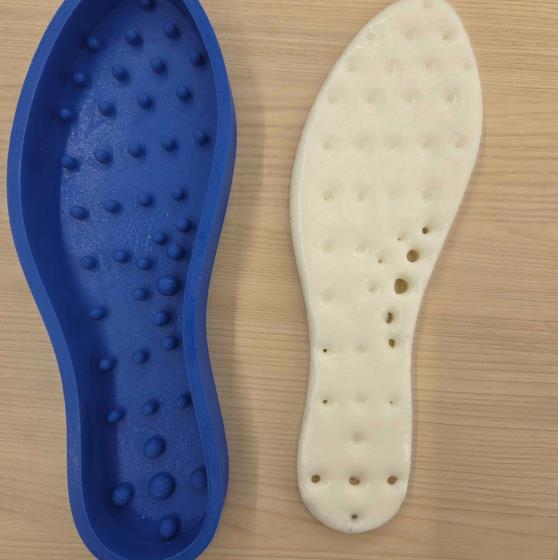
Athletes preferred wider node spacing and softer material. The final stack combined the flexible TPU insert with cast polyurethane foam tuned toward a memory-foam feel, reducing the visually “spiky” appearance of early concepts while allowing users to feel both passive pressure and active massage.
My work centered on the physical system
I led and contributed heavily to the mechanical design, CAD, 3D printing, mechanism selection, component packaging, motor testing, electronics integration, and physical assembly. My role was to turn an ambitious footwear concept into hardware that could be built, loaded, worn, and evaluated within the semester budget and timeline.
A convincing viability prototype built on a student budget
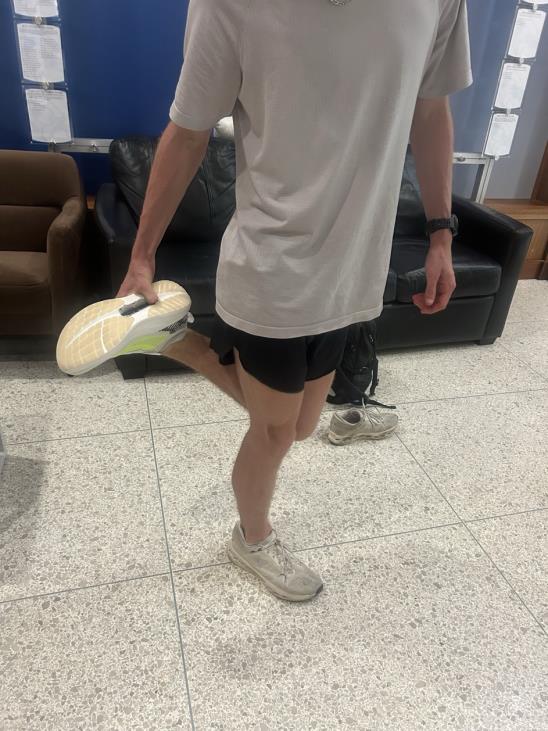
The prototype demonstrated that active and passive massage could be combined inside wearable footwear. Users could activate it from the outsole, stand and walk in the shoe, feel stimulation at the intended arch and fascia region, and use the cushioned pressure-node insert comfortably.
“Walking on a cloud.”— user feedback during validation
Athletes reported that the massage felt more stimulating than the passive shoe alone, and several could see themselves using the concept after practice. The purpose of this build was not to present a production-ready shoe; it was to prove that the product architecture and user value were worth developing further.
From viable prototype to manufacturable product
The final build reached approximately 65 mm in stack height against a 55 mm development target, and motor performance remained sensitive to local foam height and direct loading. Those results established focused next steps rather than calling the concept into question.
Replace oversized commercial components with a smaller motor, compact battery, and purpose-built electronics.
Use tighter-tolerance machined parts and a structural carrier that bypasses body weight around moving components.
Refine guide geometry, interfaces, and material pairs to eliminate PLA knocking and improve force transfer.
Redistribute components and develop modular housings for additional shoe sizes and widths.